
Leo Sayer is one of the most recognizable British-born singers of the 1970s, known for turning emotionally rich ballads and infectious pop songs into international hits. From “When I Need You” to “You Make Me Feel Like Dancing,” his music reached audiences across the United Kingdom, the United States, Australia, and beyond. Yet the question of Leo Sayer’s net worth has a more complicated answer than his chart success might suggest.
Although Sayer enjoyed major commercial success, a long recording career, and decades of live performances, his financial history has also included serious setbacks involving management, contracts, and the handling of his earnings. A successful music career doesn’t automatically translate into lasting personal wealth, and Sayer’s experience illustrates that distinction particularly clearly.
So, what is Leo Sayer’s net worth? An exact, independently verified figure isn’t publicly established. Online estimates should therefore be treated cautiously rather than presented as a confirmed measure of his fortune. His recording career, songwriting, touring, and continued presence in popular music help explain how he has earned a living, while reports of financial losses offer important context for understanding why his wealth cannot be calculated simply by counting hit records.
Leo Sayer: Biography at a Glance
| Detail | Information |
|---|---|
| Full name | Gerard Hugh Sayer |
| Stage name | Leo Sayer |
| Date of birth | May 21, 1948 |
| Age | 78 as of October 14, 2026 |
| Birthplace | Shoreham-by-Sea, Sussex, England |
| Nationality | British-born; Australian citizen since 2009 |
| Profession | Singer, songwriter, performer |
| Genres | Pop, soft rock, disco |
| Years active | Early 1970s to the present |
| Best-known songs | “When I Need You,” “You Make Me Feel Like Dancing,” “More Than I Can Say” |
| First wife | Janice Lisseter |
| Current partner/wife | Donatella “Donna” Piccinetti |
| Children | No reliably verified public information established here |
| Estimated net worth | No independently verified public figure |
| Main income sources | Music recordings, songwriting, royalties, live performances |
Sayer’s official biography confirms his birth name, date of birth, and English upbringing, while the Australian Broadcasting Corporation documents his Australian citizenship and long-standing connection with the country.
Age note: Sayer turned 78 on May 21, 2026. The calculation uses his publicly documented birth date.
Who Is Leo Sayer?
Leo Sayer is an English-born Australian singer and songwriter whose distinctive voice, energetic performances, and emotionally direct songs helped define a substantial part of 1970s pop music. His career brought together two styles that might seem worlds apart: exuberant dance music and sentimental ballads.
Born Gerard Hugh Sayer, he developed his stage identity as his musical career took shape. His early public image was also memorable. He sometimes performed dressed as a Pierrot clown, a theatrical character that gave his appearances a recognizable visual identity. But the costumes were only part of the appeal. His songwriting and vocal delivery were central to his success.
Sayer’s career reached its commercial high point during the middle and late 1970s. Two consecutive American number-one singles—“You Make Me Feel Like Dancing” and “When I Need You”—made him an international star. His catalogue subsequently expanded to include other enduring songs, while his performances and recordings continued to attract listeners long after his original chart peak.
His story is relevant to the question of wealth because it illustrates the difference between commercial popularity and financial security. A singer can sell records around the world, appear on television, and tour extensively without retaining all the money generated by that success.
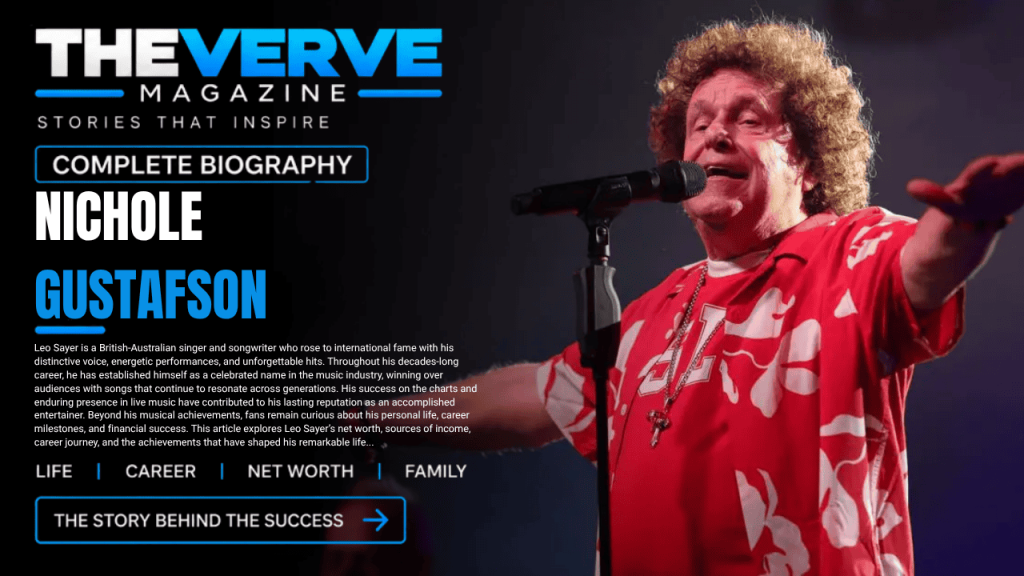
Leo Sayer Net Worth: What Is His Fortune Today?
There is no sufficiently reliable public financial disclosure that establishes Leo Sayer’s exact net worth in 2026. Consequently, attaching a definite dollar or pound figure to his name would create an impression of certainty that the available evidence does not support.
Celebrity biography websites sometimes publish estimates without showing audited accounts, property records, royalty statements, or a clear methodology. Those figures may be repeated by other websites until they appear authoritative. Repetition, though, is not independent verification.
Sayer’s financial history makes that distinction particularly important. A 2004 report in The Guardian described him as having lost substantial wealth despite his earlier commercial success. A later interview with the same publication, published in March 2026, revisited his account of being financially exploited by people managing his career. The interview also described him as continuing to earn money from streaming, downloads, and occasional record sales.
These reports provide useful context, but neither establishes his present net worth.
A fair assessment is therefore that Leo Sayer’s current net worth remains publicly unverified. He has a substantial catalogue, a lengthy performing career, and continuing income opportunities. At the same time, his documented financial difficulties mean that his lifetime earnings cannot be treated as equivalent to the wealth he retains today.
Why Do Leo Sayer Net Worth Estimates Differ?
There are several reasons that a singer’s reported wealth may vary considerably from one website to another.
- Gross earnings versus personal wealth: Record sales, concert revenue, and contract payments are not the same as money retained after expenses, commissions, taxes, and other obligations.
- Different royalty arrangements: Artists receive different amounts depending on songwriting credits, recording contracts, publishing rights, and ownership arrangements.
- Historical financial losses: Money earned early in a career may have been lost, mismanaged, or spent long before an online estimate was published.
- Changing income: Streaming, downloads, physical sales, licensing, and live performances can produce revenue at different stages of an artist’s career.
- Lack of financial disclosure: Without verified figures for assets, liabilities, and ongoing income, a precise net-worth calculation isn’t possible.
This is why a careful biography should explain what is known about Sayer’s finances rather than select a popular estimate simply to provide a neat answer.
How Leo Sayer Built His Career
Early Life, Art, and Musical Influences
Sayer was born on May 21, 1948, in Shoreham-by-Sea, Sussex. According to his official biography, his parents were Thomas Sayer and Teresa Nolan. He grew up with an older sister, Kathleen, and a younger brother, Brian.
Music entered his life early. He sang in a church choir as a child, and he later credited the parish priest, Father Dermot MacHale, with helping him discover his voice. His musical interests broadened during his teenage years through artists including Buddy Holly, Elvis Presley, and Bob Dylan.
Yet music wasn’t his first professional direction.
Sayer studied commercial art and graphic design at West Sussex College of Art and Design in Worthing. After moving to London in the late 1960s, he worked as a graphic artist and illustrator, producing advertising material and designs for publications. His creative background would later distinguish him from singers whose public identities depended entirely on their musical performances.
He also explored poetry and songwriting, played harmonica, and spent time among London’s folk musicians. The move into professional music wasn’t an overnight transformation; it emerged from years of creative work, experimentation, and a growing commitment to performing.
That early experience matters when considering his eventual earnings. Sayer entered the music industry with a combination of artistic interests, but success would require not only musical ability but also professional representation, contracts, and business decisions.
The Adam Faith Connection
A pivotal figure in Sayer’s early career was Adam Faith, a British pop singer who later became his manager. Faith helped introduce him to influential people in the music business and played an important role in bringing his songs to a wider audience.
One of the first major breakthroughs came through Sayer’s songwriting partnership with David Courtney. Their song “Giving It All Away” was recorded by Roger Daltrey, the Who’s lead singer, for his debut solo album. The collaboration helped establish Sayer and Courtney as songwriters before Sayer became a major recording star in his own right.
Sayer then released his debut album, Silverbird, in 1973. Its single “The Show Must Go On” reached number two on the UK singles chart, providing an early indication that his unusual presentation and expressive voice could connect with a mainstream audience.
His early success developed quickly. Albums such as Just a Boy and Another Year helped build his profile, while songs including “One Man Band” and “Long Tall Glasses (I Can Dance)” introduced listeners to his mixture of storytelling, humour, and melodic pop.
Faith’s role would later become a painful part of Sayer’s financial history. But at the start, the manager offered access to an industry that a relatively inexperienced songwriter and performer might have struggled to enter alone.

The 1970s Breakthrough That Changed Everything
The years 1976 and 1977 were especially important for Sayer’s career.
“You Make Me Feel Like Dancing” became a major international hit, combining a buoyant rhythm with Sayer’s distinctive, high-register vocals. It reached number one on the US Billboard Hot 100 in January 1977. The song also earned a Grammy Award for Best R&B Song in 1978, credited to Sayer and co-writer Vini Poncia.
Then came “When I Need You,” a romantic ballad written by Albert Hammond and Carole Bayer Sager. Sayer’s recording topped both the UK and US singles charts in 1977.
The contrast between the two songs was revealing. One was designed to move a dance floor; the other relied on tenderness and vocal restraint. Together, they demonstrated his versatility and expanded his commercial appeal.
His other notable songs included “Moonlighting,” “How Much Love,” “Thunder in My Heart,” and “More Than I Can Say.” His music also crossed into television entertainment, including an appearance on The Muppet Show. These achievements helped make him a familiar figure to audiences well beyond Britain.
From a financial perspective, international hits can generate income through multiple channels: recording sales, performance fees, broadcasting, and certain licensing arrangements. But the value of each channel depends on contractual rights and how the revenue is divided. A hit song alone cannot tell us how much the performer ultimately received.
How His Career Evolved After the Chart Peak
Sayer’s chart dominance eventually faded, as it does for many artists whose biggest hits are closely associated with a particular era. The Guardian reported in 2026 that he hadn’t had a hit since 1983, although he continued working and remained attached to his existing catalogue.
A quieter chart profile did not mean that his career ended.
Sayer continued releasing music, performing live, and connecting with audiences who remembered his original hits. His later recordings included Selfie in 2019 and Northern Songs, a 2021 collection in which he revisited material associated with the Beatles. In interviews, he has also discussed his long career and his preference for retaining creative control over his work.
That long working life matters when examining his finances. Established songs can remain commercially active long after their release, while live appearances give performers a way to reach new audiences and reconnect with longtime fans.
Still, the scale of that income varies. No publicly verified breakdown establishes how much Sayer earns annually from concerts, streaming, or record sales.
The Financial Setback That Changed Leo Sayer’s Story
Sayer’s financial history is one of the most significant reasons his net worth is difficult to assess.
What happened with Adam Faith?
In his March 2026 interview with The Guardian, Sayer described how he had given Adam Faith power of attorney early in his career. According to Sayer, that arrangement gave his manager considerable authority over his finances, and he later discovered that money he believed was available to him had not reached him as expected.
One example involved a reported £650,000 payment connected with the renewal of his recording contract. Sayer said the payment had gone to his managers rather than directly to him. The dispute was eventually settled out of court for £650,000, according to the interview.
The story provides an important lesson about the business side of entertainment. During the early stages of a music career, an artist may depend heavily on managers, accountants, lawyers, and record companies. When financial arrangements are poorly understood or improperly handled, commercial success can coexist with serious personal losses.
It is worth distinguishing Sayer’s account of the dispute from a complete financial audit. The reported settlement offers evidence of a historical dispute, but it doesn’t reveal his total losses, the full value of his career earnings, or the assets he owns today.
Why the setback matters to his net worth
Sayer’s experience helps explain why estimates based on decades of chart success can be misleading. His music was commercially successful, but the money generated by that success did not necessarily remain under his control.
A singer’s wealth is shaped by more than the number of records sold. It depends on ownership, contract terms, financial management, spending, taxes, and the costs of maintaining a career.
Sayer’s story is therefore not simply about a successful musician earning money. It is also about the importance of understanding who controls the income an artist generates.

Leo Sayer’s Main Sources of Income
Although a precise account of his current finances isn’t publicly available, several parts of Sayer’s professional career are relevant when considering how he may continue to earn money.
1. Recording sales and music royalties
Sayer’s catalogue includes several internationally successful songs. Revenue may come from physical records, digital downloads, streaming, and licensing, depending on the rights attached to each recording and composition. In the 2026 Guardian interview, he was described as earning money from streaming, downloads, and occasional record sales.
2. Live performances and touring
Touring has been an important part of Sayer’s career beyond his original chart peak. Concert fees can provide income to established performers, although the amount retained depends on production expenses, musicians, promoters, agents, and other costs. No verified current fee schedule is publicly established for Sayer.
3. Songwriting and publishing
Sayer co-wrote songs including “You Make Me Feel Like Dancing” and “Giving It All Away.” Songwriting can create a separate stream of income from performing a recording, depending on publishing ownership and licensing arrangements. His individual royalty rates and publishing receipts aren’t publicly documented.
4. Television and other appearances
Sayer’s television performances and public profile have helped keep his name familiar across generations. Paid appearances may contribute to a performer’s earnings, but there is no reliable public accounting of his television fees, endorsement income, or other commercial arrangements.
These income sources explain how an artist with a long career can remain professionally active. They do not establish a particular net worth, and it would be misleading to assign a specific value to any of them without reliable financial evidence.
Personal Life: Marriage, Relationships, and Australia
Sayer’s personal life has occasionally intersected with his music. His relationships have also been discussed in interviews, although the details should be treated carefully and in context.
He was previously married to Janice Lisseter. In the 2026 Guardian interview, he spoke candidly about their relationship and the personal experiences that informed “Orchard Road,” a song associated with regret and the attempt to seek forgiveness. The interview also corrected an embellished version of a story he had told about the circumstances surrounding the song.
Sayer later formed a long-term relationship with Donatella Piccinetti, known as Donna. The Guardian described them as having been together for approximately 40 years by 2026 and reported that they were living in Australia.
Australia has been a significant part of his life for decades. He first toured the country in 1974, developed a strong connection with Australian audiences, and became an Australian citizen in 2009. The Australian Broadcasting Corporation has documented his continued involvement in the community, including a visit to bring music to patients at a Canberra hospital in 2023.
His life in Australia is relevant to his biography, but there is no sound basis for assuming that his residence, relationship, or lifestyle reveals the value of his assets.
Why People Search for Leo Sayer Net Worth
Interest in Sayer’s finances can be understood through several aspects of his public story.
First, his greatest hits remain familiar. People who hear “When I Need You” or “You Make Me Feel Like Dancing” may naturally wonder how much their creator earned from songs that have endured for decades.
Second, Sayer’s career illustrates the financial complexities of the music business. The contrast between major commercial success and reported financial losses is striking, particularly for an artist whose songs achieved international recognition.
Third, his continued performing career gives his story a present-day dimension. His music is not confined to old chart records or nostalgia programmes. His catalogue continues to circulate, and he has remained involved in live music.
Finally, renewed interviews can introduce him to younger readers who know the songs but not the person behind them. The Guardian’s 2026 profile revisited his chart success, financial dispute, personal life, and ongoing work.
These factors make his financial history an understandable subject of curiosity. They do not, on their own, establish a specific current valuation.
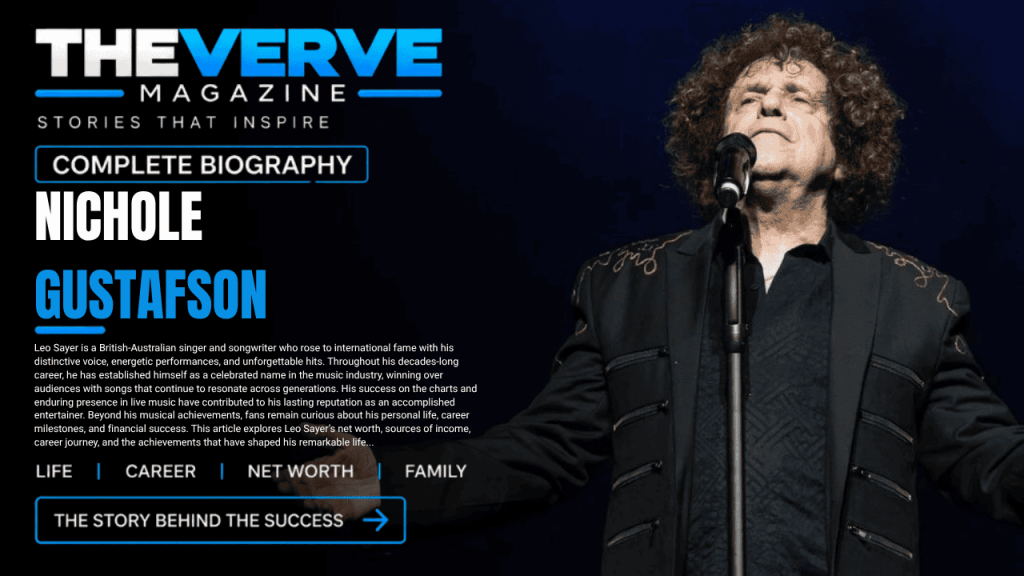
Confirmed Facts vs. Uncertain Financial Claims
| Claim | What the evidence supports |
|---|---|
| Sayer achieved major international success | Confirmed by chart history and established music coverage |
| He had two consecutive US number-one singles in 1977 | Confirmed by established music reporting |
| He experienced a financial dispute involving Adam Faith | Documented in interviews and historical reporting |
| An out-of-court settlement was reached | Reported by The Guardian in 2026 |
| He continues to earn from his music catalogue | Reported in the 2026 interview |
| His exact current net worth is known | Not established by reliable public financial evidence |
| A particular online net-worth figure is accurate | Cannot be confirmed without supporting financial records |
The distinction matters because confirmed career achievements and a confirmed personal fortune are two very different things.
Interesting Facts About Leo Sayer
- His birth name is Gerard Hugh Sayer. Leo became the stage name associated with his music career.
- He studied graphic design. Before becoming widely known as a singer, he worked as a graphic artist and illustrator.
- His early stage persona included a Pierrot costume. The theatrical look helped make his performances distinctive.
- His biggest hits showcased different musical styles. “You Make Me Feel Like Dancing” leaned towards disco-influenced pop, while “When I Need You” was a romantic ballad.
- He co-wrote songs for other performers. His early collaboration with David Courtney included “Giving It All Away,” recorded by Roger Daltrey.
- He became an Australian citizen in 2009. His connection with Australia began well before that, following his early tours there.
- He has spoken openly about the business side of fame. His account of the dispute with Adam Faith illustrates the financial risks artists can face when they delegate control of their earnings.
What Is Leo Sayer Doing Now?
Sayer remains associated with live performance and his established music catalogue. In March 2026, The Guardian reported that he was preparing for a UK tour, with the Can’t Stop Loving You tour scheduled to begin on October 7, 2026.
That reported touring activity is a more concrete indication of his professional direction than speculation about a possible comeback or a future fortune. Established performers can continue earning through concerts and recordings without necessarily returning to the top of the singles charts.
Sayer has also discussed ambitions and possibilities involving future music, a memoir, and major festival appearances. In the 2026 interview, he made clear that these possibilities were not confirmed plans. They should therefore be treated as aspirations rather than announced projects.
For his finances, the most reasonable expectation is continued income from the work he already has, alongside any confirmed future performances or releases. The scale of that income—and its effect on his overall wealth—remains unknown.
Frequently Asked Questions
1. What is Leo Sayer’s net worth in 2026?
Leo Sayer’s exact net worth has not been established by reliable, publicly available financial records. Online estimates should be treated as unverified unless they provide credible evidence. His long recording career, songwriting, and performances indicate multiple income sources, but they don’t establish a precise personal fortune.
2. How did Leo Sayer make his money?
Sayer earned his living through singing, songwriting, record releases, and live performances. His best-known songs, including “You Make Me Feel Like Dancing” and “When I Need You,” became international hits. Music royalties and digital sales have also remained relevant to his career.
3. Did Leo Sayer lose money during his career?
Yes, Sayer has publicly described serious financial problems involving his early management arrangements. In a 2026 interview with The Guardian, he discussed a dispute involving Adam Faith and a reported £650,000 settlement. The full value of his historical losses and their effect on his current wealth are not publicly established.
4. How old is Leo Sayer?
Leo Sayer was born on May 21, 1948. He turned 78 on May 21, 2026, making him 78 years old as of October 14, 2026.
5. What are Leo Sayer’s most famous songs?
His best-known songs include “You Make Me Feel Like Dancing,” “When I Need You,” “Long Tall Glasses (I Can Dance),” “Moonlighting,” “Thunder in My Heart,” and “More Than I Can Say.” His catalogue combines upbeat pop with emotional ballads.
6. Did Leo Sayer win a Grammy Award?
Yes. “You Make Me Feel Like Dancing,” co-written by Sayer and Vini Poncia, won the Grammy Award for Best R&B Song in 1978. The award is one of the most notable achievements of his career.
7. Is Leo Sayer married?
Sayer was previously married to Janice Lisseter. His long-term partner is Donatella “Donna” Piccinetti, whom The Guardian identified as his wife in its 2026 profile.
8. Where does Leo Sayer live?
Sayer lives in Australia, according to his 2026 Guardian interview. He was born in Shoreham-by-Sea, England, and became an Australian citizen in 2009.
9. Does Leo Sayer still earn money from his old songs?
Yes. The 2026 Guardian profile reported that Sayer continued earning money from streaming, downloads, and occasional record sales. The exact amount he receives from these sources is not publicly documented.
10. Is Leo Sayer still performing?
He has continued to perform beyond his original chart peak. A March 2026 Guardian profile reported a UK tour scheduled to begin on October 7, 2026. Specific future appearances should be checked against current announcements rather than assumed from older reports.
Final Thoughts
Leo Sayer’s financial story is more revealing than a single net-worth estimate could ever be. His music achieved international success, his songs became part of popular culture, and his career continued long after his biggest chart hits. Yet his experience also shows how financial disputes and management arrangements can complicate the rewards of fame.
The most accurate answer to “Leo Sayer net worth” is that his current fortune remains unverified. His recording catalogue, songwriting, and live performances provide evidence of a sustained professional career, while historical reporting documents financial setbacks that make simplistic estimates particularly unreliable.
For readers interested in Sayer, his lasting musical achievements are easier to establish than his private finances. His story is a reminder that commercial success and personal wealth are not interchangeable—and that the most useful biography is one that distinguishes what is known from what remains uncertain.